What does "Sleipnir" mean?
What does Sleipnir mean?
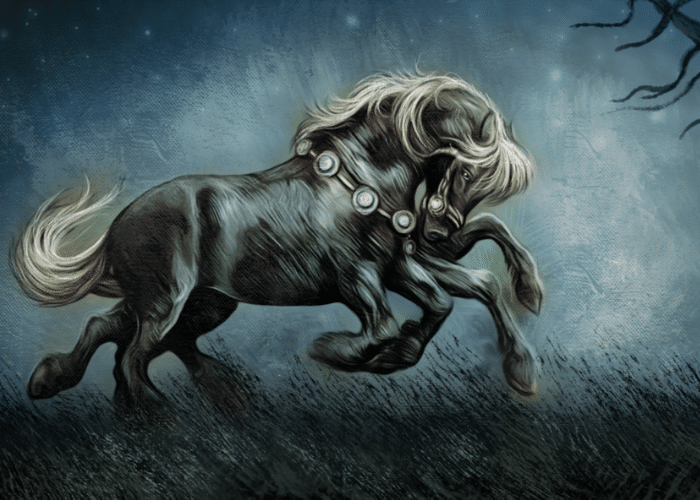
source of the image: https://www.google.com/url?sa=i&url=https%3A%2F%2Fmythologysource.com%2Fsleipnir-odins-horse%2F&psig=AOvVaw11BXETDAeS1copV4aWMcO1&ust=1715517028084000&source=images&cd=vfe&opi=89978449&ved=0CBIQjRxqFwoTCMCFppXNhYYDFQAAAAAdAAAAABAQ
You have booked your trip with us but you're wondering where the name "Sleipnir" comes from.
In short - Sleipnir was the eight legged horse of Odin in Norse mythology. Since our monster trucks have eight wheels, we thought it would be a perfect name for our company! Smart, right?
For those of you who love stories and want the longer version behind our name... read further!
In the rich tapestry of Norse mythology, few creatures are as unique and revered as Sleipnir, the eight-legged horse of Odin. This mythical steed not only serves the chief of the gods but also embodies the cultural and spiritual beliefs of the Norse people. In this post, we delve into the fascinating aspects of Sleipnir's lore, his origins, and his role in myths and modern culture.
The Origins of Sleipnir
Sleipnir is attested in several ancient texts, most notably the Poetic Edda and the Prose Edda. These medieval sources describe him as the offspring of Loki and the stallion Svaðilfari, making Sleipnir a creature born from a mix of mischief and marvel. According to the Prose Edda, Sleipnir's creation was a result of one of Loki’s shenanigans to save the gods from a deal gone wrong with a powerful builder.
Descriptions and Depictions
Described as the best of all horses, Sleipnir is gray and possesses eight legs. This unusual feature has been interpreted in various ways. Some scholars suggest that the eight legs symbolize superlative speed or the shamanic ability to traverse different worlds. Sleipnir is often depicted on ancient stones, like the Tjängvide image stone and the Ardre VIII image stone from Gotland, which further attest to his significance in Norse culture.
Sleipnir in Norse Myths
Sleipnir’s most prominent role in mythology is his service to Odin, including carrying the god to the world of Hel in search of his son Baldr. This journey highlights his ability to move between the realms of the living and the dead, a trait that underscores the horse’s supernatural essence.
The Shamanic and Symbolic Interpretations
Theories abound about Sleipnir’s connection to shamanic practices. Hilda Ellis Davidson, a prominent scholar on Norse mythology, argues that Sleipnir’s eight legs may relate to the shamanic spirit journey, typically involving a ride on an animal or a bird. This perspective is bolstered by comparisons to other shamanic traditions where similar creatures serve as guides to otherworldly realms.
Sleipnir’s Legacy in Modern Times
Today, Sleipnir’s legacy continues in various forms. From art and literature to the names of ships, his influence is enduring. For instance, the horseshoe-shaped canyon Ásbyrgi in Iceland is said to have been formed by Sleipnir’s hoof, showcasing the deep-rooted cultural imprint of this mythical steed.
Conclusion
Sleipnir is more than just a mythical horse; he is a bridge between worlds, a symbol of speed and supernatural power, and a testament to the imaginative richness of Norse mythology. As we explore these ancient stories, we gain insight into the values, fears, and hopes of the Norse people, with Sleipnir galloping across the ages as an enduring emblem of mythic wonder.
You might never meet Sleipnir the eight legged steed in real life but joining one of our tours aboard Sleipnir monster trucks gets pretty close to the real thing!
See you on Langjökull glacier.

Share This Blog Post