How Are Glaciers Formed?
How Are Glaciers Formed?
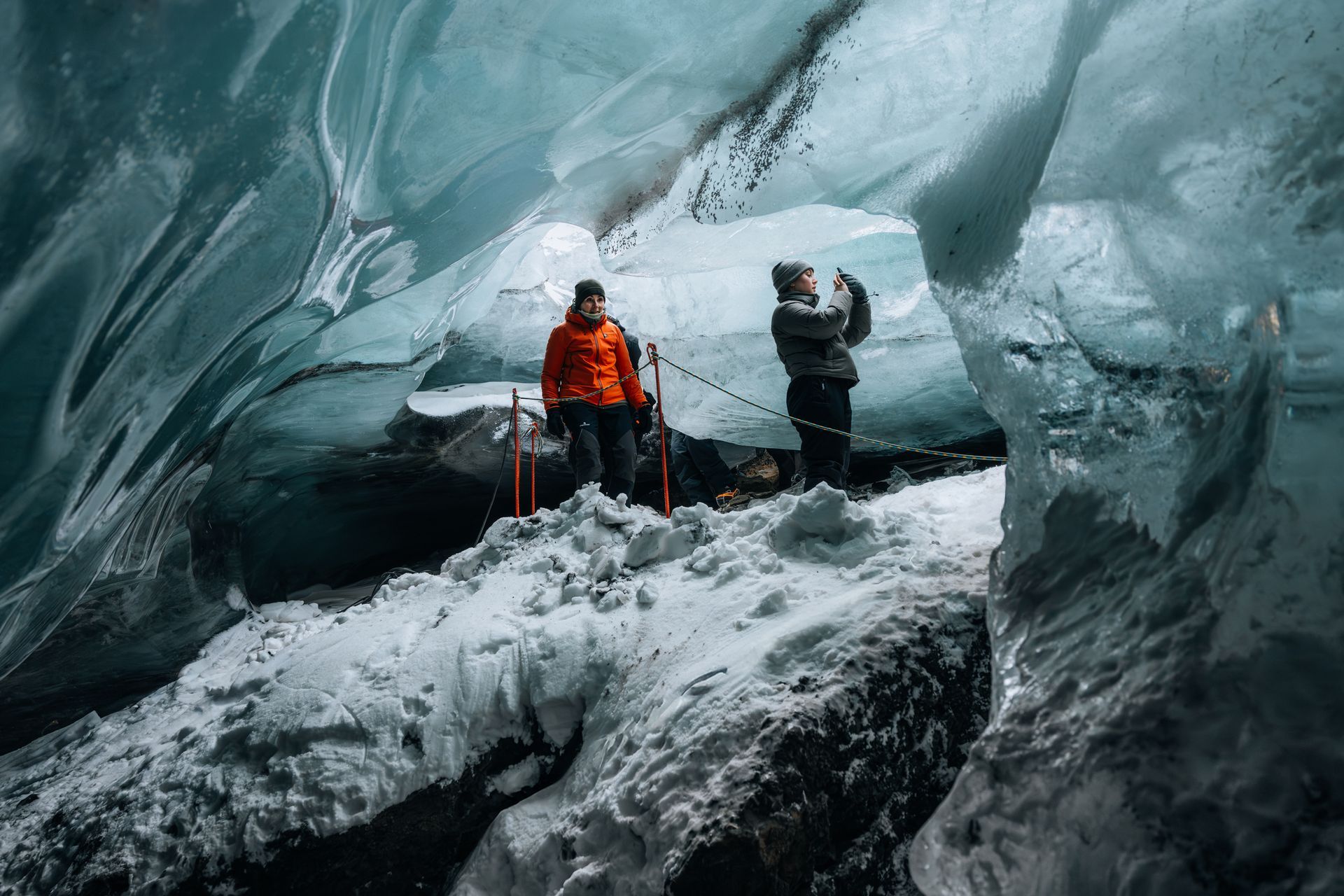
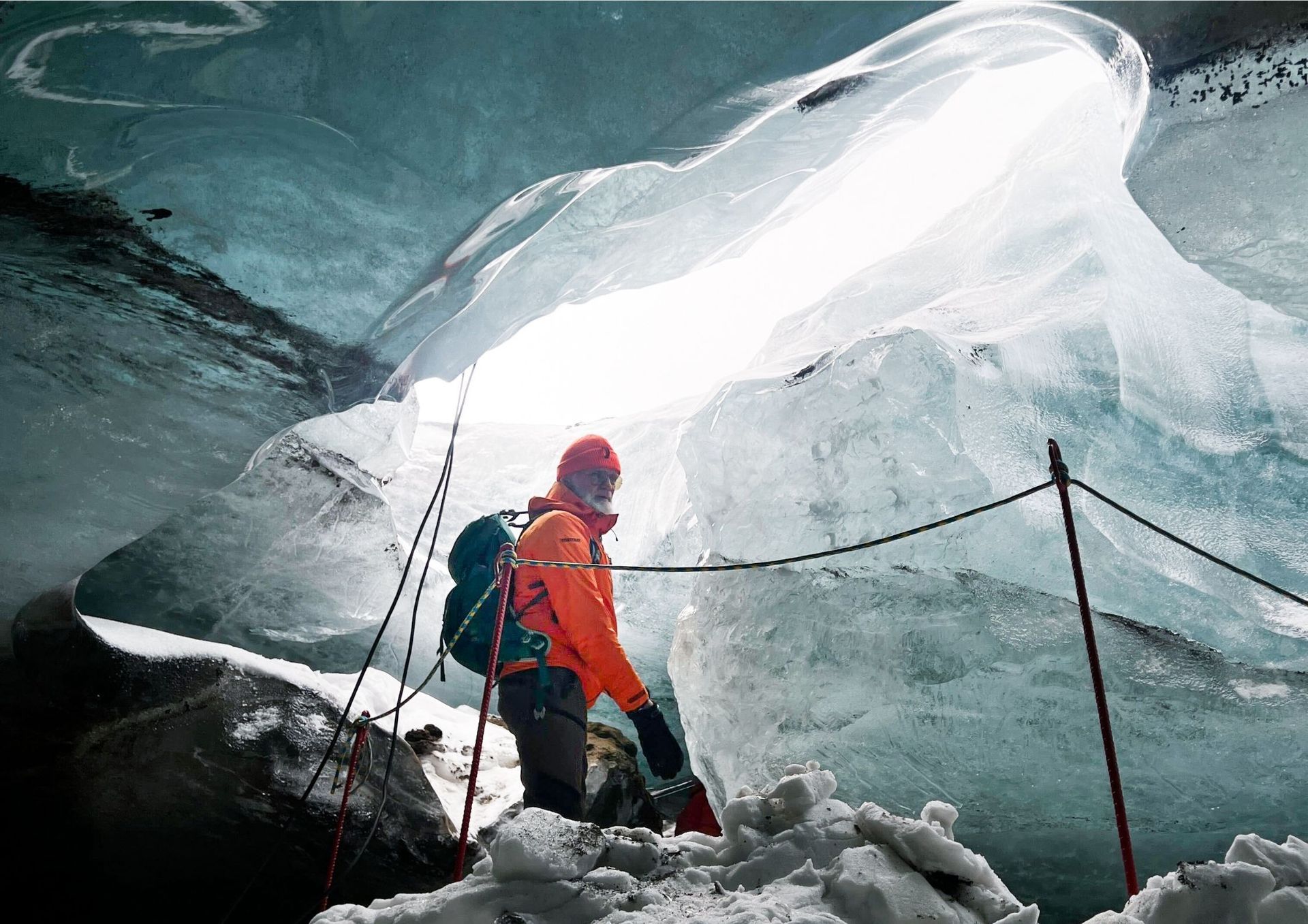
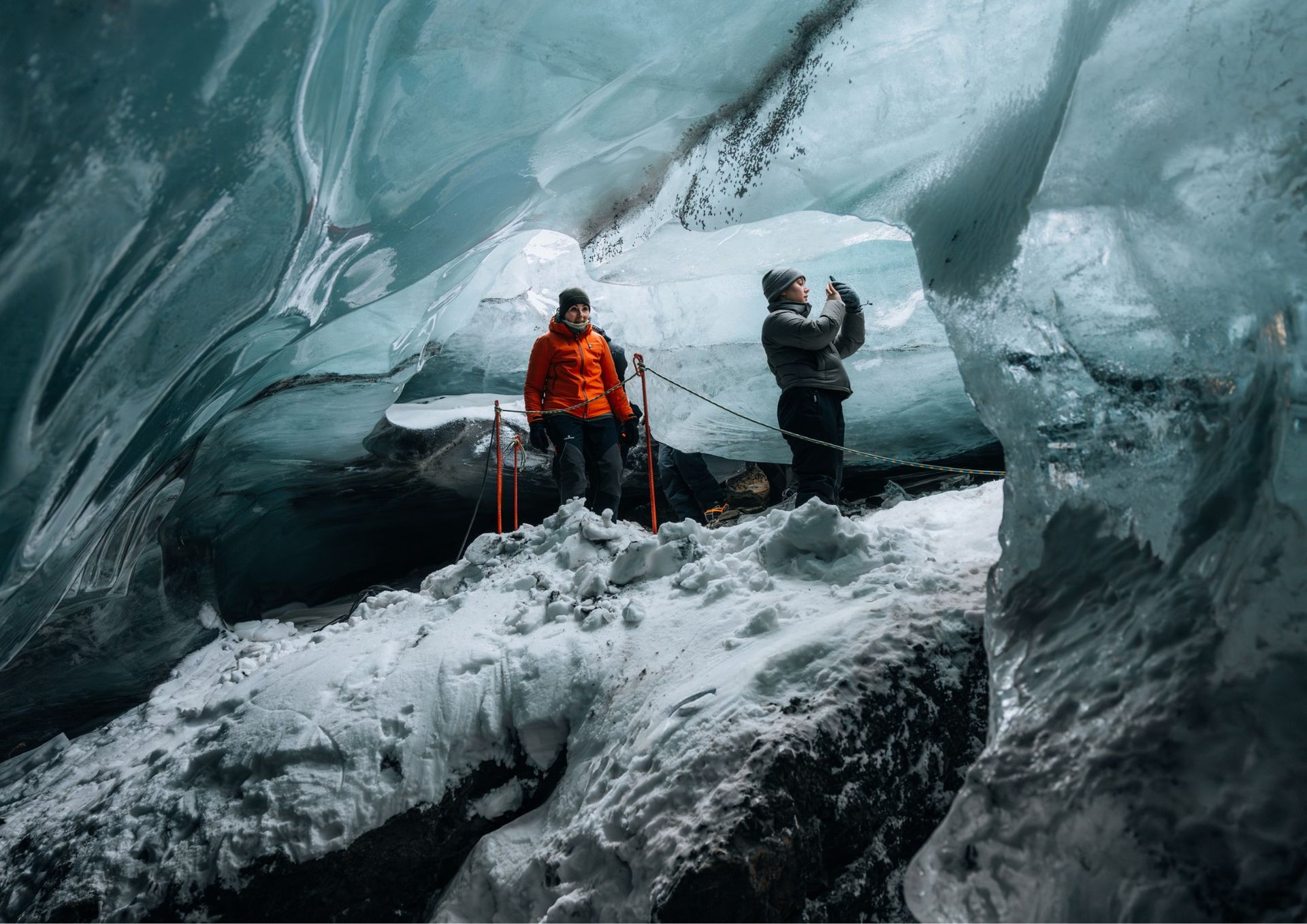
Natural Ice Cave
What Is a Glacier?
Let’s begin by understanding what defines a glacier. A glacier is a persistent body of dense ice that constantly moves under its own weight. Movement is a key defining aspect of glaciers. If the ice does not move, it is simply a large pile of snow, not a glacier.
Glaciers come in different sizes. Ice caps cover less than 50,000 km², while larger ice masses are called ice sheets. Despite the different names, both are glaciers and the difference simply lies in their size.
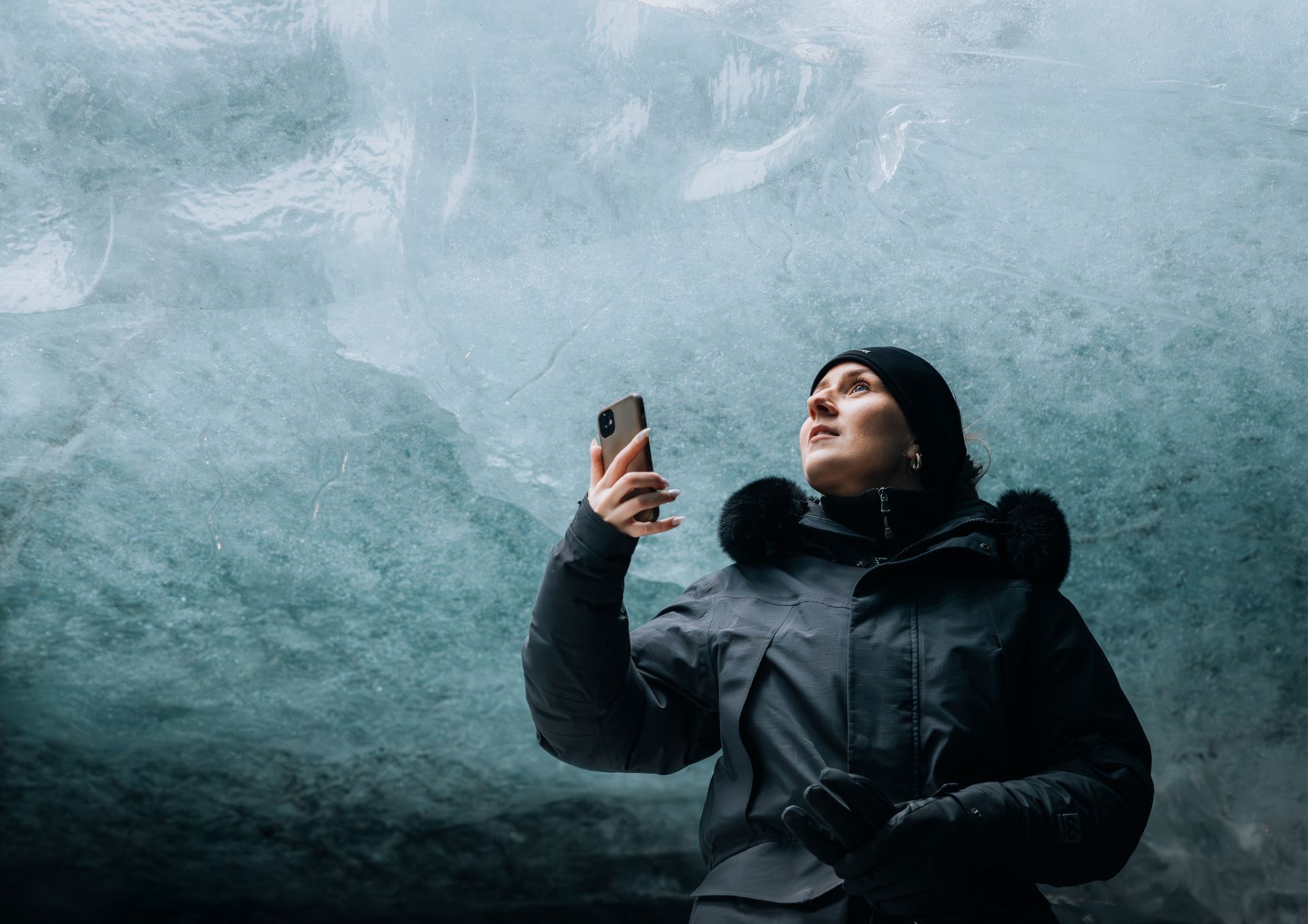
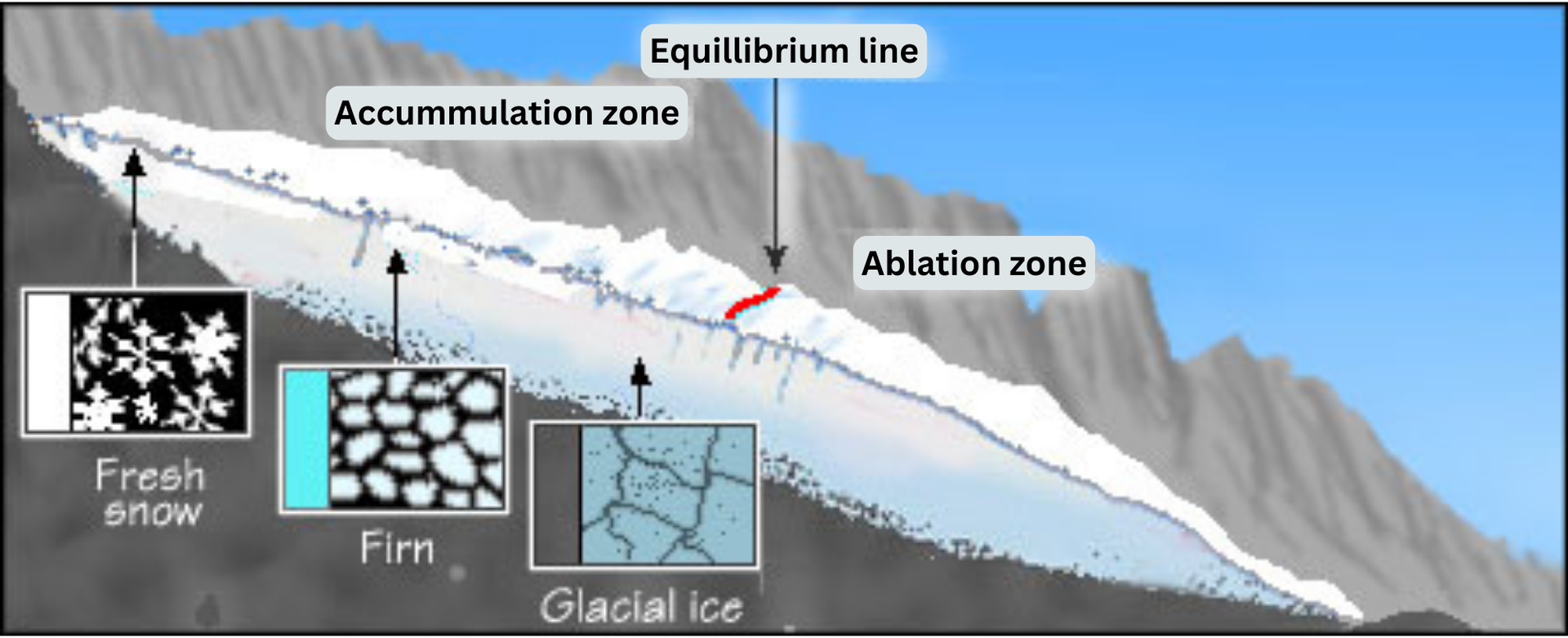
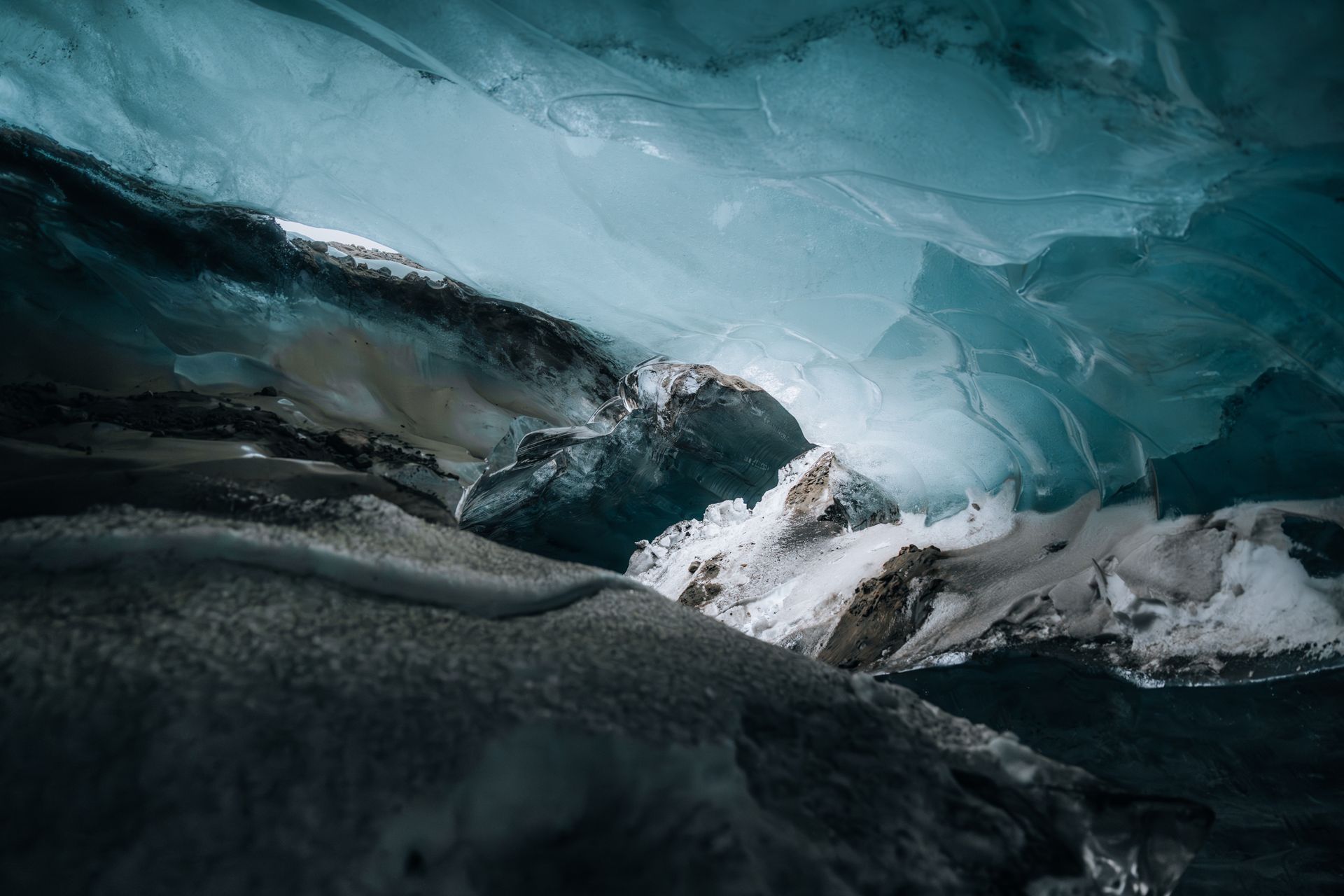
The beautiful blue colour glaciers are known for comes from a a many year process of snow layers building up and compressing. Fresh snow appears white because it contains tiny air pockets that scatter light. As the snow compresses, the air is pushed out and the ice crystals grow larger. This process changes how light travels through the ice, resulting in the iconic blue.
Fun fact: Glacier ice can take up to eight times longer to melt than regular ice cubes.
So how do glaciers form?
Glaciers begin with snowfall during winter. If the snow survives the summer, new layers build on top of it year after year. Over time, the growing weight compresses the snow into dense ice. This process can take decades or even centuries. The upper part where snow builds up is called the accumulation zone, while lower areas where the ice melts are known as the ablation zone. Between them lies the equilibrium line, where melting and snowfall balance each other.
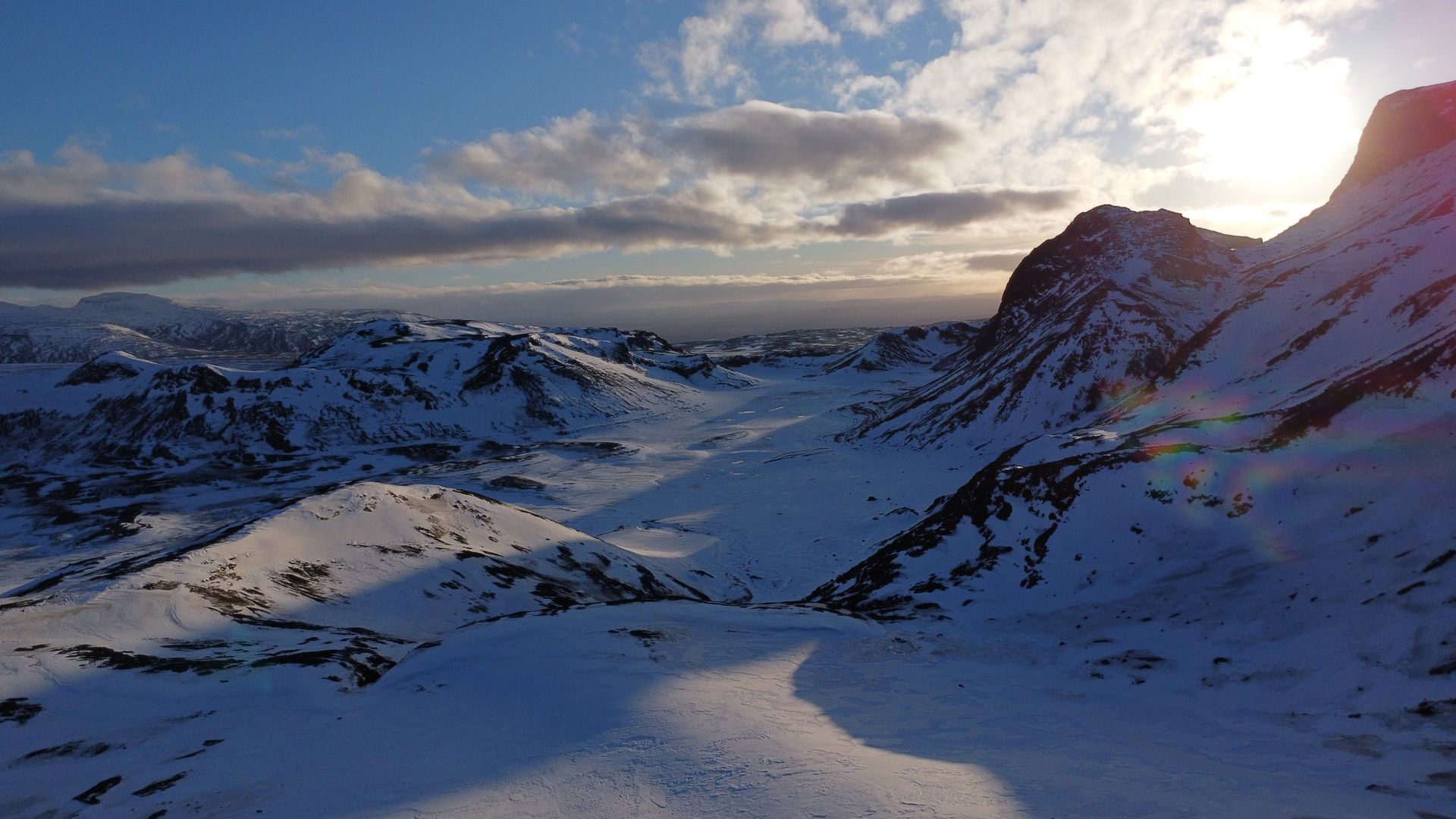
Iceland’s glaciers have a long and ever-changing history. The ice inside Langjökull is on average 400 to 450 years old, although glacier formation in the area began around 6,000 years ago. As temperatures cooled thousands of years ago, glaciers expanded across Iceland’s highest peaks and reached their largest size around the year 1800.
Deep inside a glacier, pressure becomes so intense that ice begins to slowly flow downhill, like a frozen river. As glaciers move, they form cracks called crevasses and reshape the landscape by grinding rock into fine particles. This sediment gives glacial rivers their well-known milky colour, such as Hvítá flowing from Langjökull. Even though glaciers appear calm and still, they are constantly moving and shaping the land around them.
Experience Langjökull with Sleipnir Tours
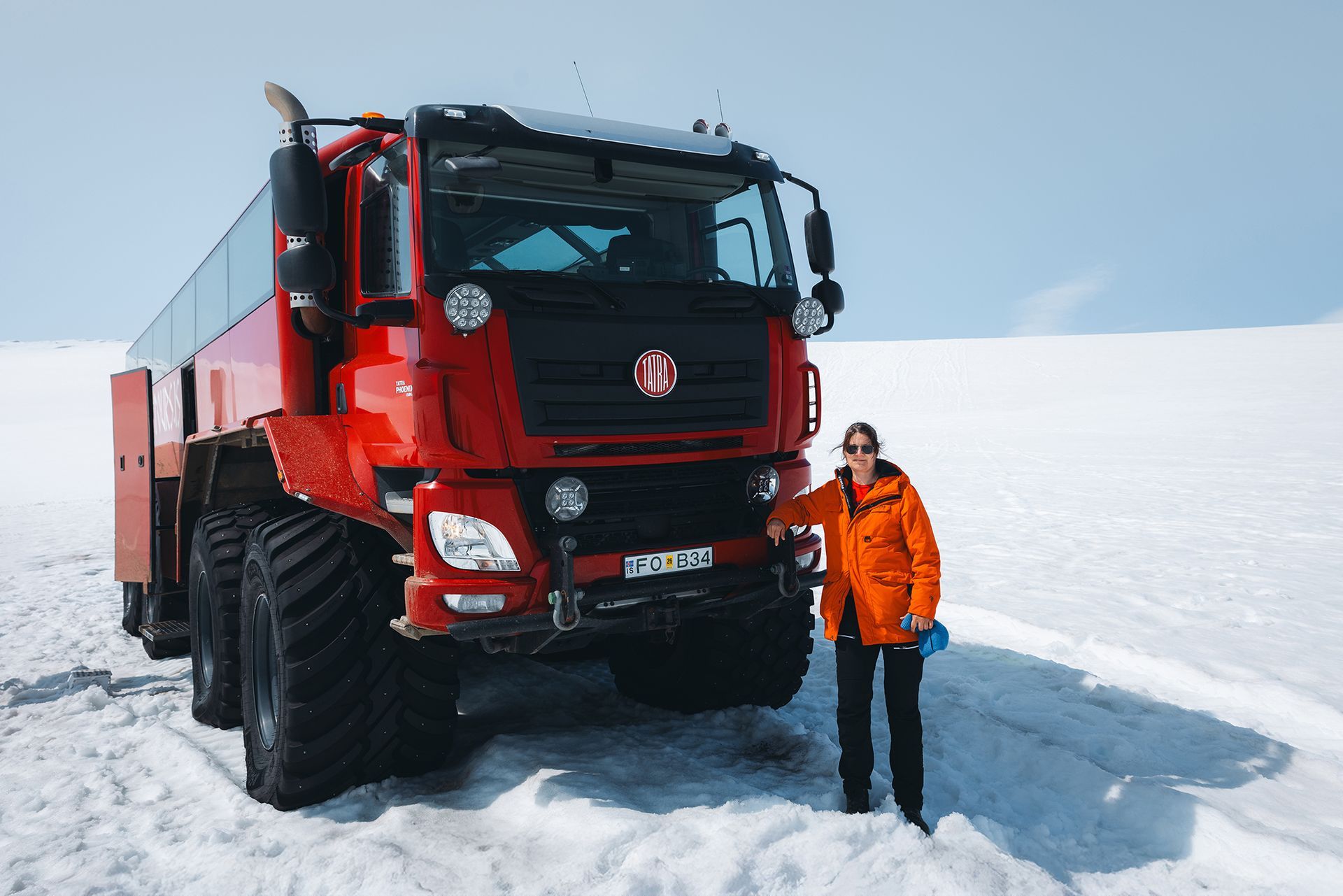
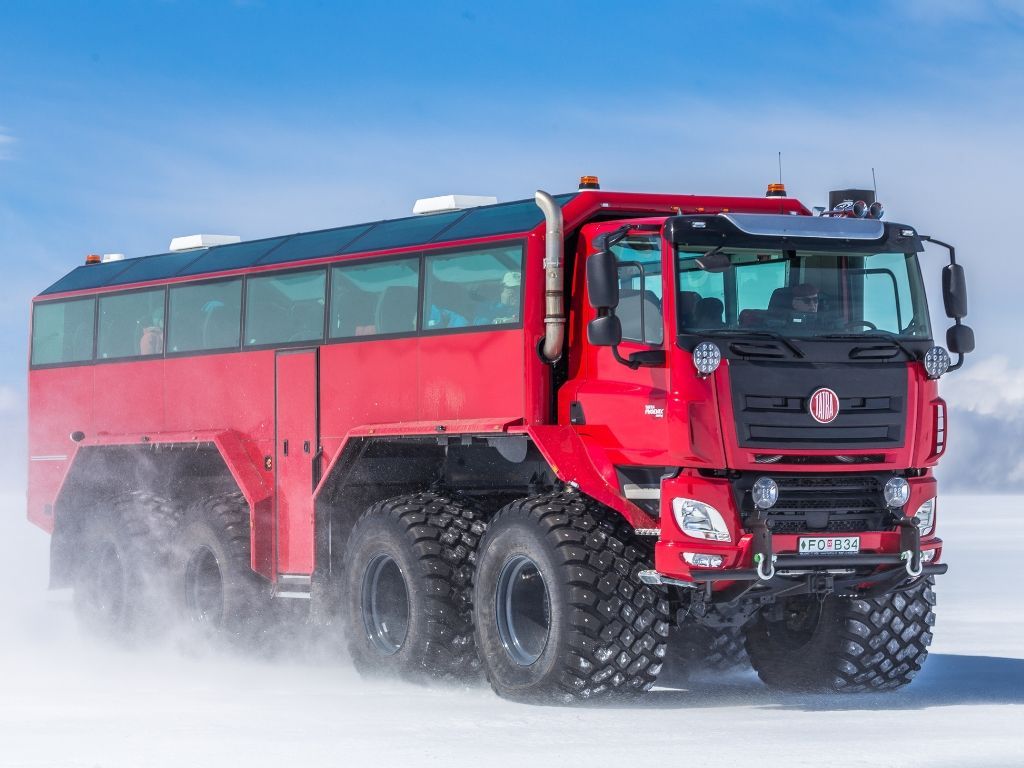
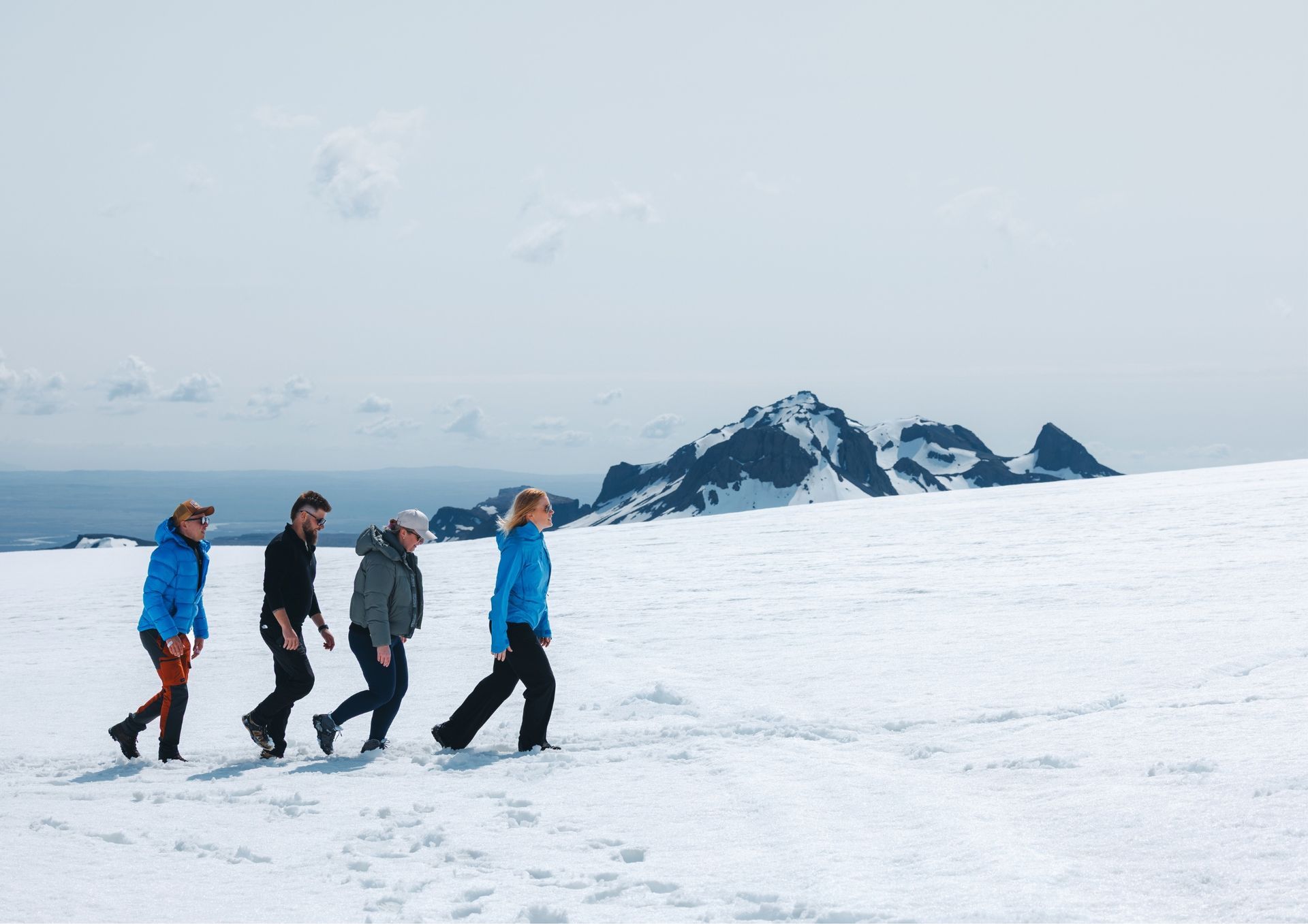
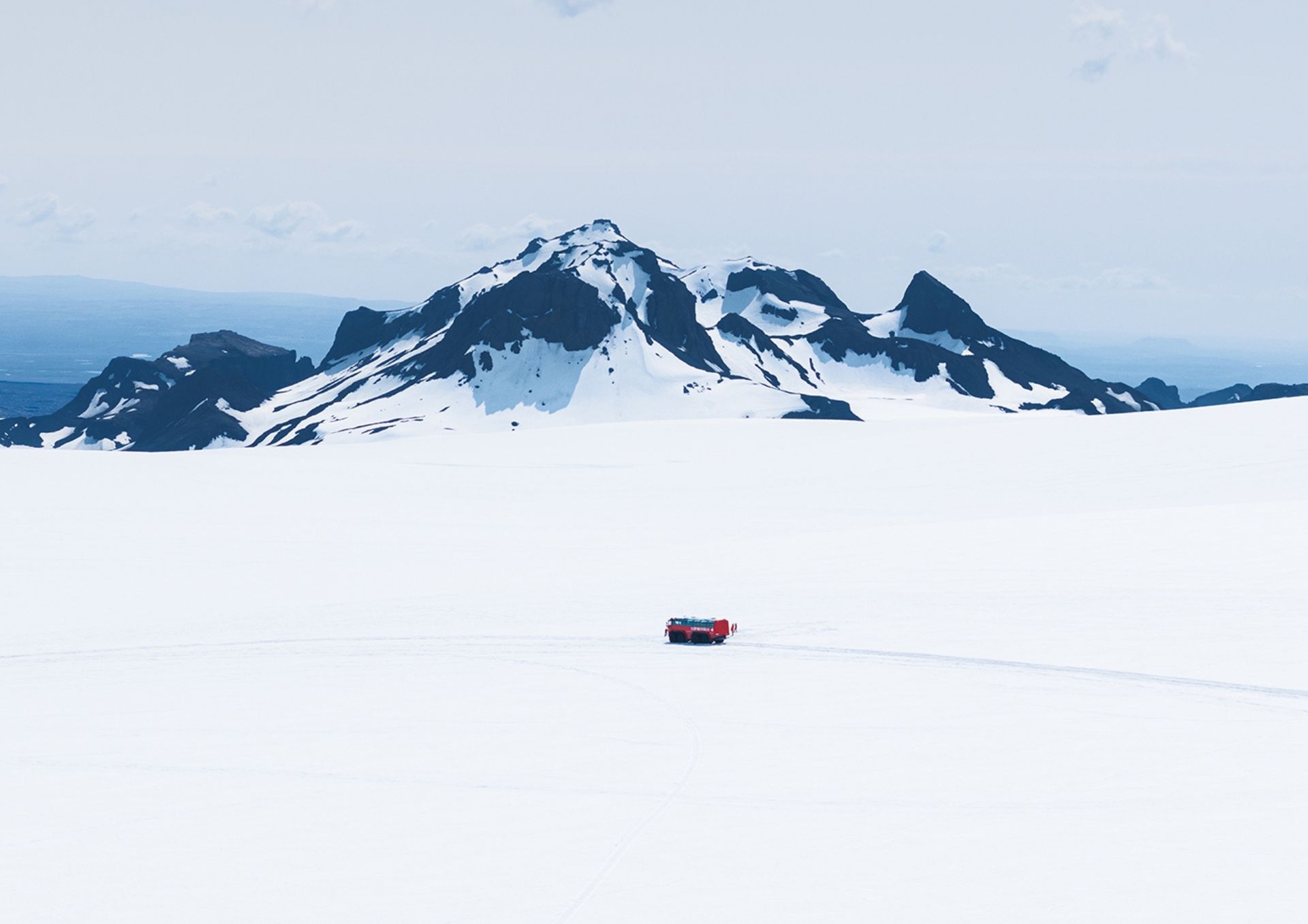
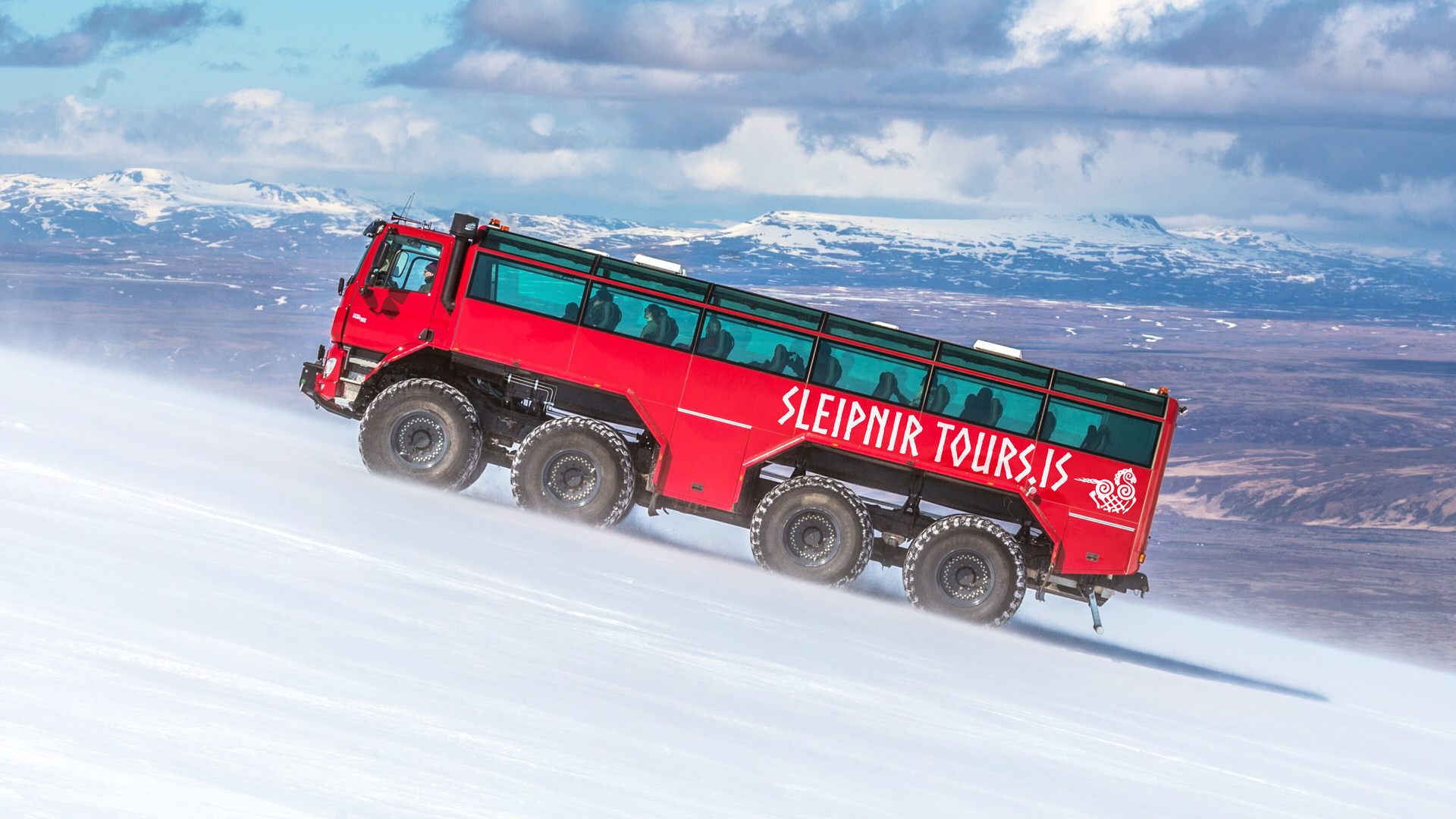
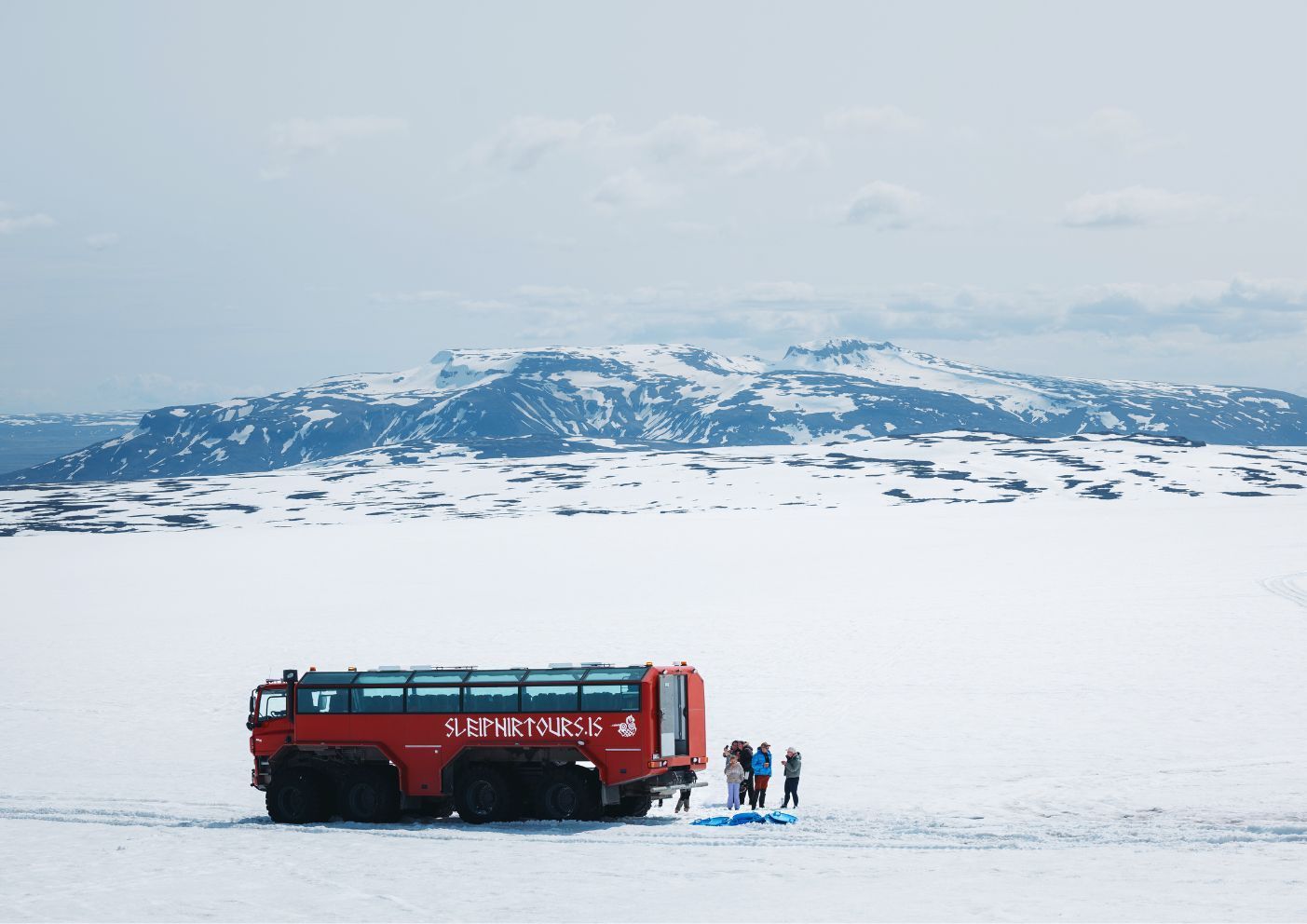
Understanding glaciers is one thing, but experiencing their magical aura in person is another. Sleipnir’s Ice Cave and Glacier Tour takes you across Langjökull in a specially built Glacier Monster Truck, designed for comfort and Icelandic highland conditions. No hiking required — just panoramic views, local guides, and a smooth ride across the ice. Inside the natural ice cave, you’ll step into centuries of compressed snow and glowing blue ice, a true Icelandic bucket list moment.
Share This Blog Post