Easter in Iceland: Chocolate Eggs, Traditions & Spring Adventures
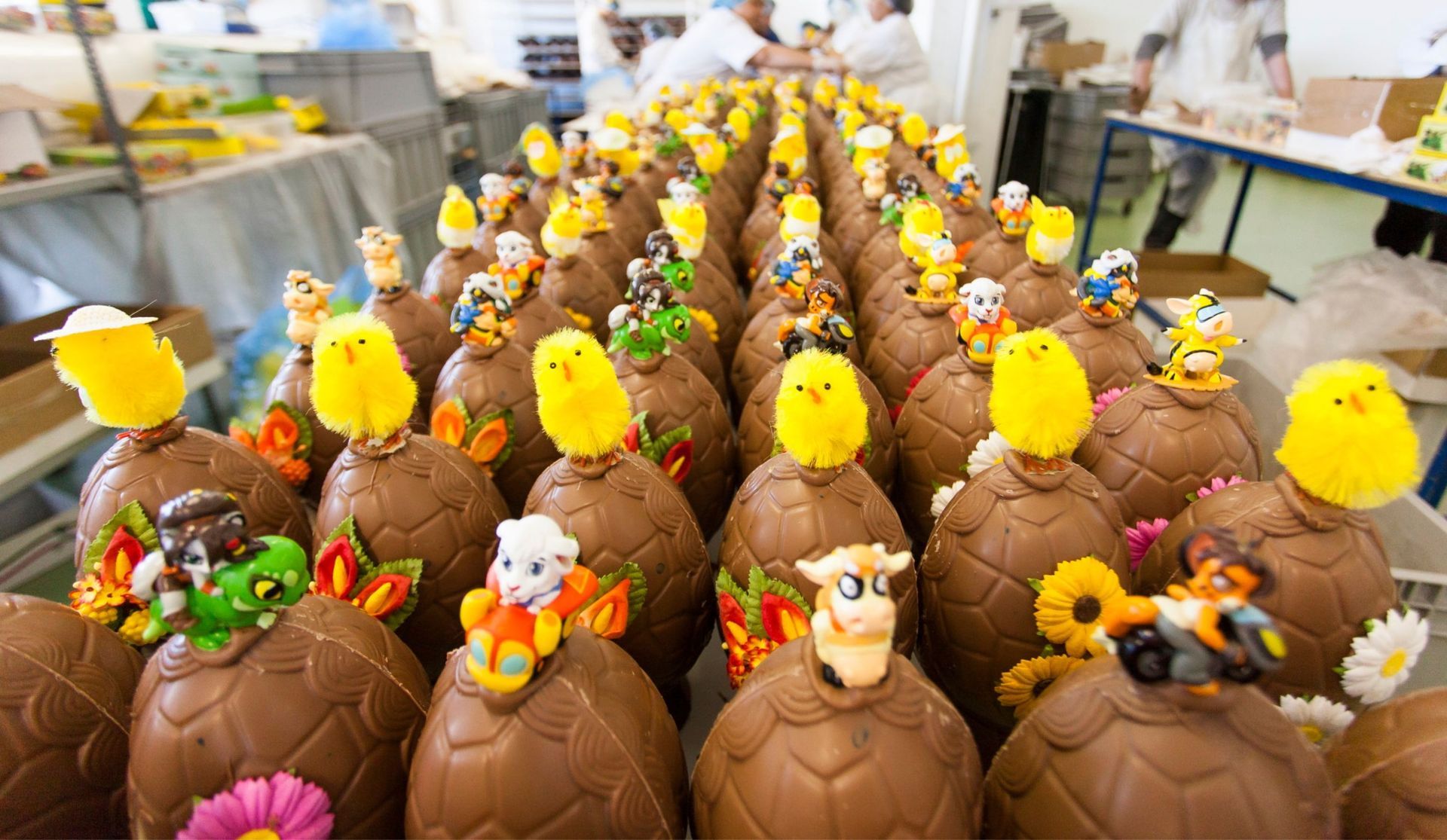
Chocolate Eggs in Iceland

Easter in Iceland is unlike anywhere else in the world. While many countries celebrate with egg hunts and spring flowers, Iceland combines old traditions, mountains of chocolate, cozy family gatherings, and breathtaking nature that still feels like winter.

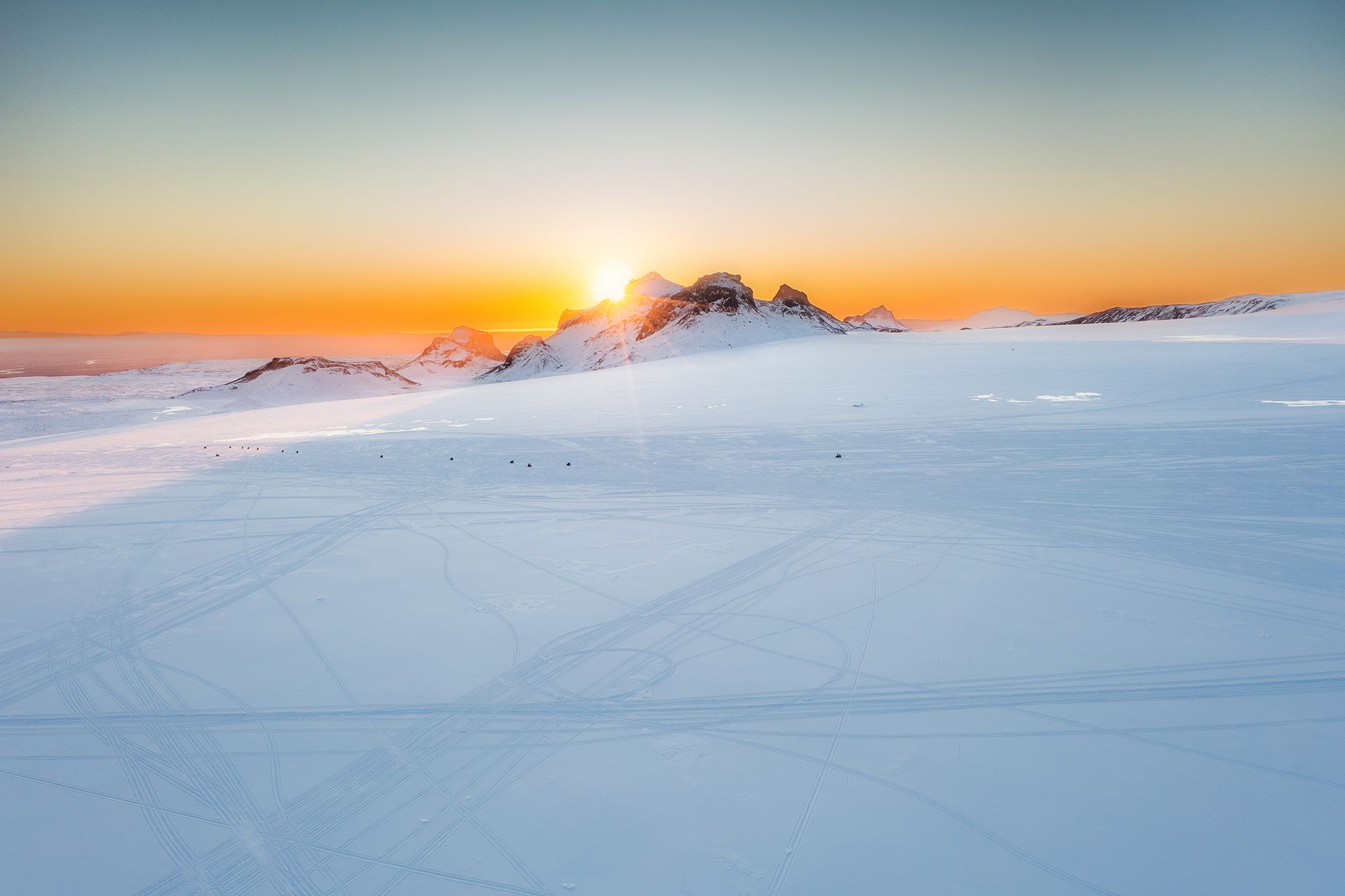
For travelers, Easter is also one of the most underrated times to visit Iceland. The days are getting longer, the landscapes are dramatic with snow-covered mountains, and the country slows down for one of the most important holidays of the year. It’s also the perfect time to experience Iceland’s wild landscapes — from glacier adventures to quiet countryside escapes.

Here’s what makes Easter in Iceland so unique and why it’s a wonderful time to visit.

The Famous Icelandic Chocolate Eggs (Páskaegg)
One of the most beloved Easter traditions in Iceland is the Páskaegg, giant chocolate eggs filled with candy. These eggs appear everywhere in the weeks leading up to Easter. Supermarkets, bakeries, and shops across the country fill their shelves with colorful chocolate eggs in all sizes; from small treats to enormous eggs that could easily feed an entire family.

Inside each egg is not just candy but also a small paper with a traditional Icelandic proverb (called a málsháttur). These sayings range from wise life lessons to playful phrases and are part of what makes the tradition so special. On Easter morning, families break open their eggs and read the proverb inside, often laughing or discussing what it might mean.

For visitors, buying a Páskaegg is one of the easiest and most fun ways to take part in an Icelandic culture.


Escaping to Summerhouses
One of the most popular ways Icelanders celebrate Easter is by traveling to a summerhouse (sumarbústaður) in the countryside. These cozy cabins are often surrounded by lava fields, mountains, or forests and usually include hot tubs, fireplaces, and large windows with incredible views.

Families spend the holiday cooking meals together, playing games, going for walks, and relaxing in hot tubs under the evening sky. Even though spring has arrived, Iceland often still has snow in many areas, making the landscapes especially beautiful.

For visitors, renting a countryside cabin during Easter can be an unforgettable way to experience Icelandic life.
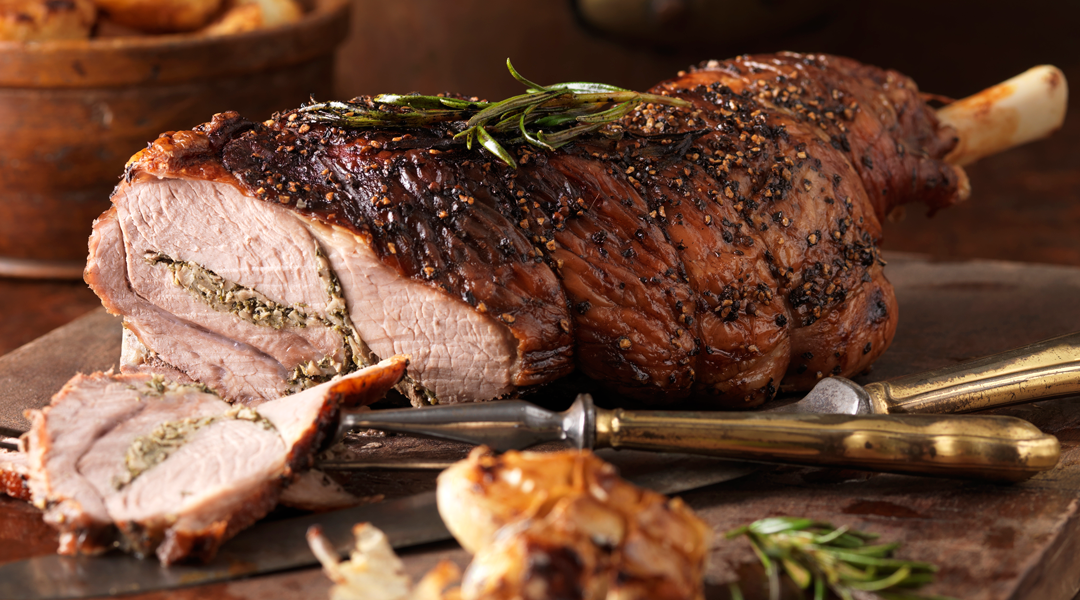


Easter Food in Iceland
Like many holidays, Easter in Iceland also revolves around food. The traditional Easter meal often includes roast lamb, served with potatoes, vegetables, and gravy. Lamb has long been a staple in Icelandic cuisine, and many families gather for a large Sunday dinner.

Desserts are equally important. Especially all the chocolate from the famous Easter eggs. Many bakeries also create special Easter pastries and cakes during the holiday season.

Why Easter Is a Great Time to Visit Iceland
For travelers, Easter sits right between winter and summer, creating a unique and beautiful time to explore the country.

Here’s why many visitors love Iceland in early spring:

Longer daylight hours
By Easter, Iceland is quickly gaining daylight after the dark winter months. Days become longer, making sightseeing easier.

Dramatic landscapes
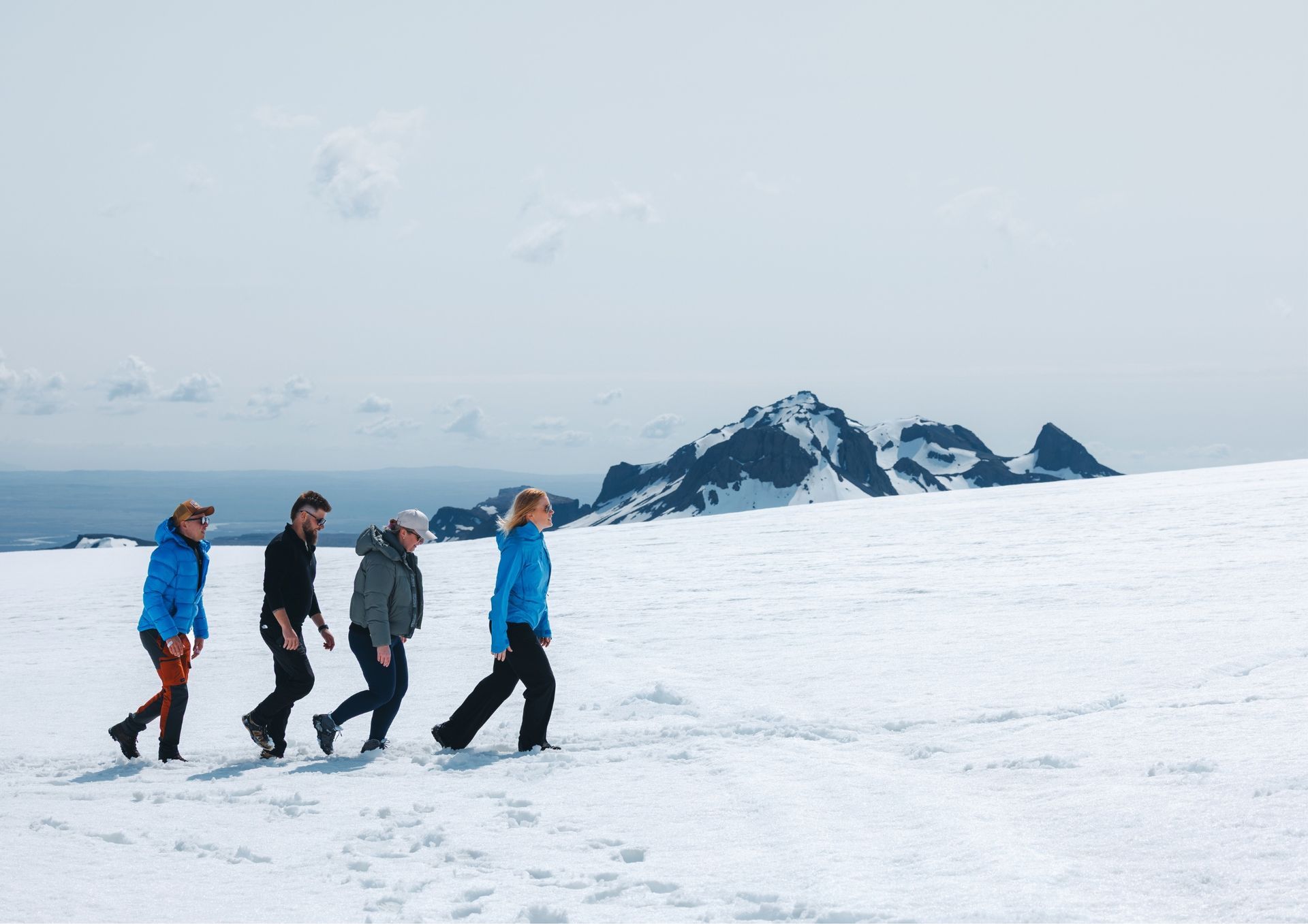
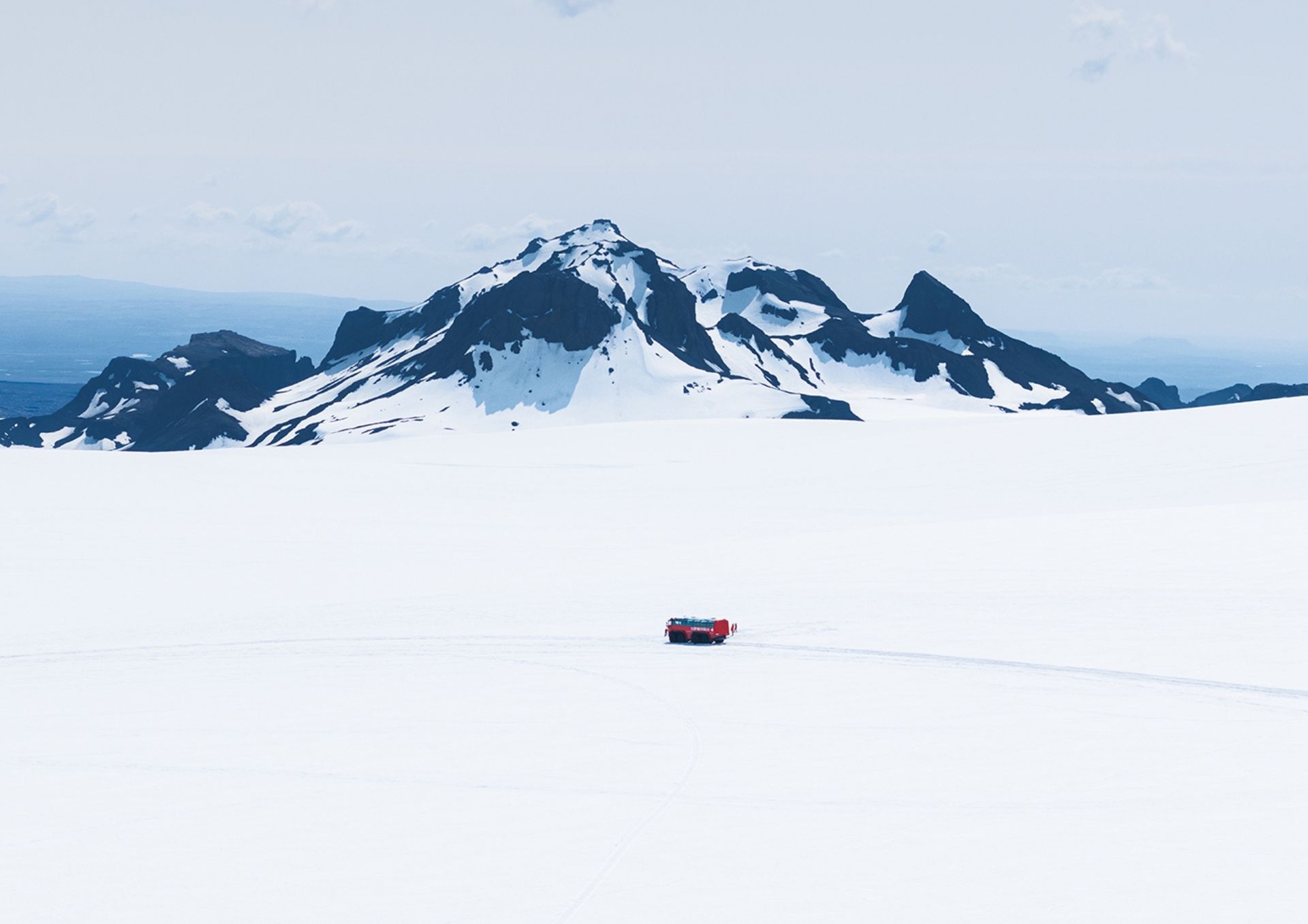
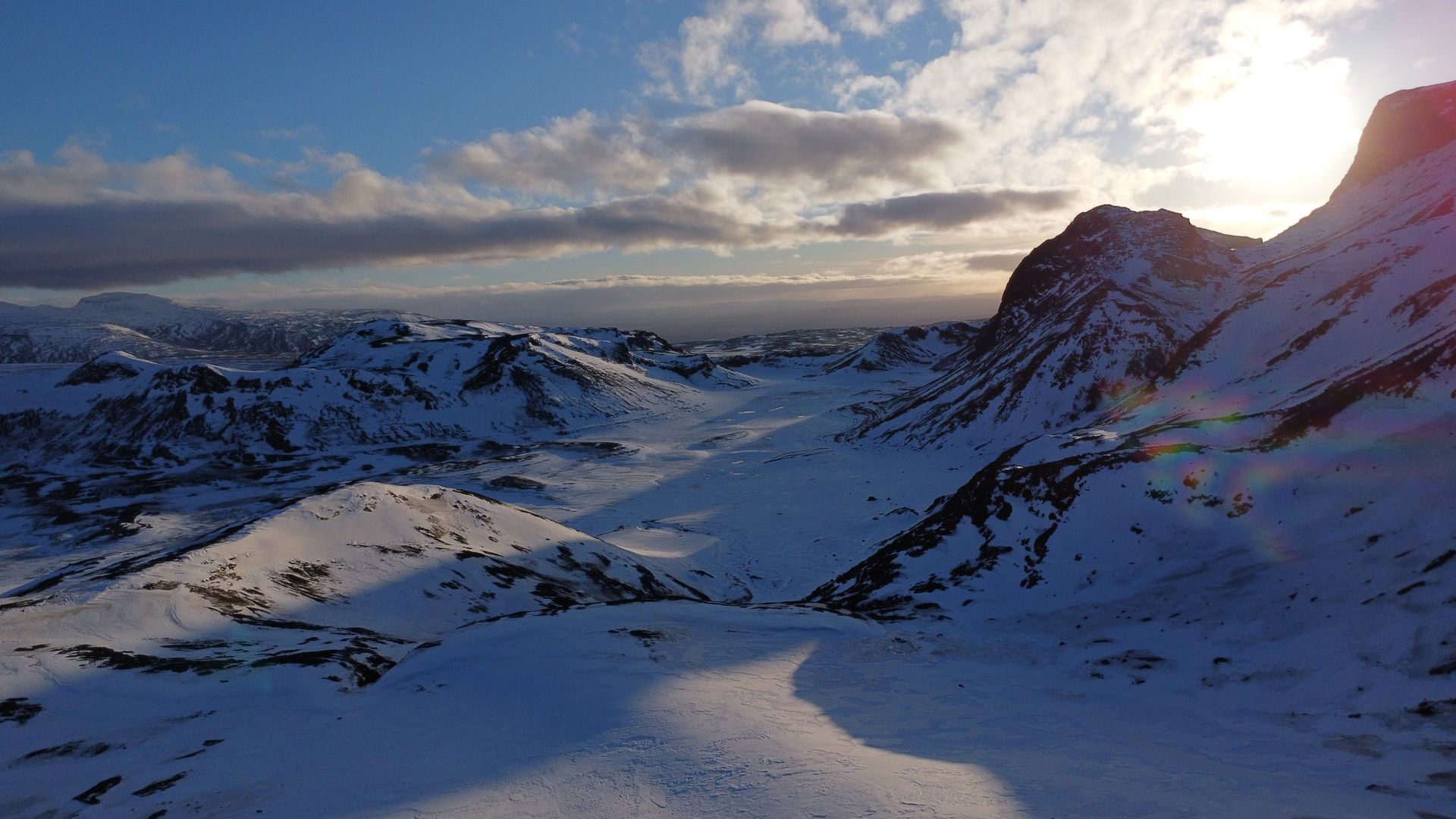
Snow still covers mountains and glaciers, while signs of spring begin appearing in the valleys.

Fewer crowds
Compared to the busy summer season, Easter can feel much calmer at many popular attractions.

Perfect conditions for glacier adventures
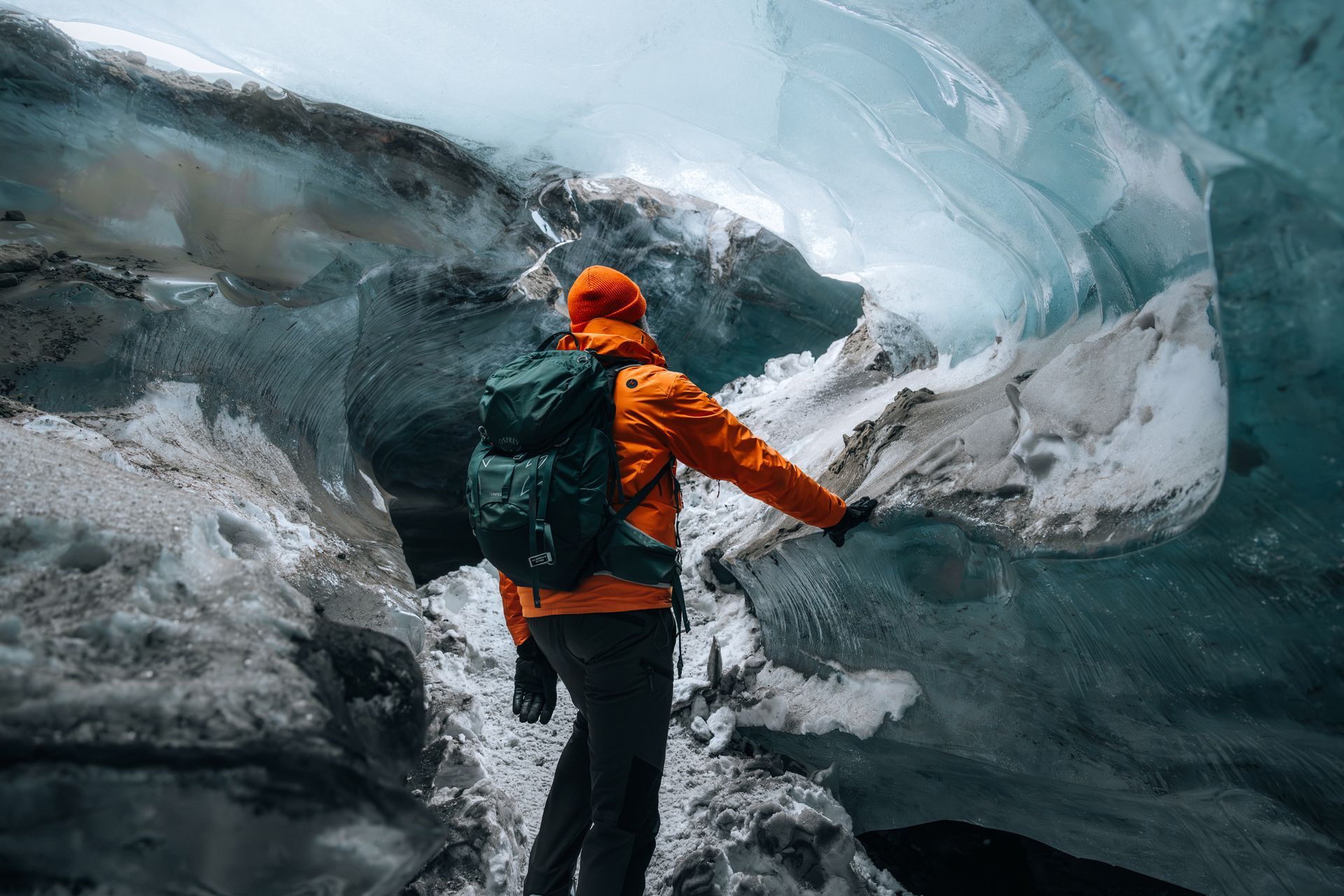
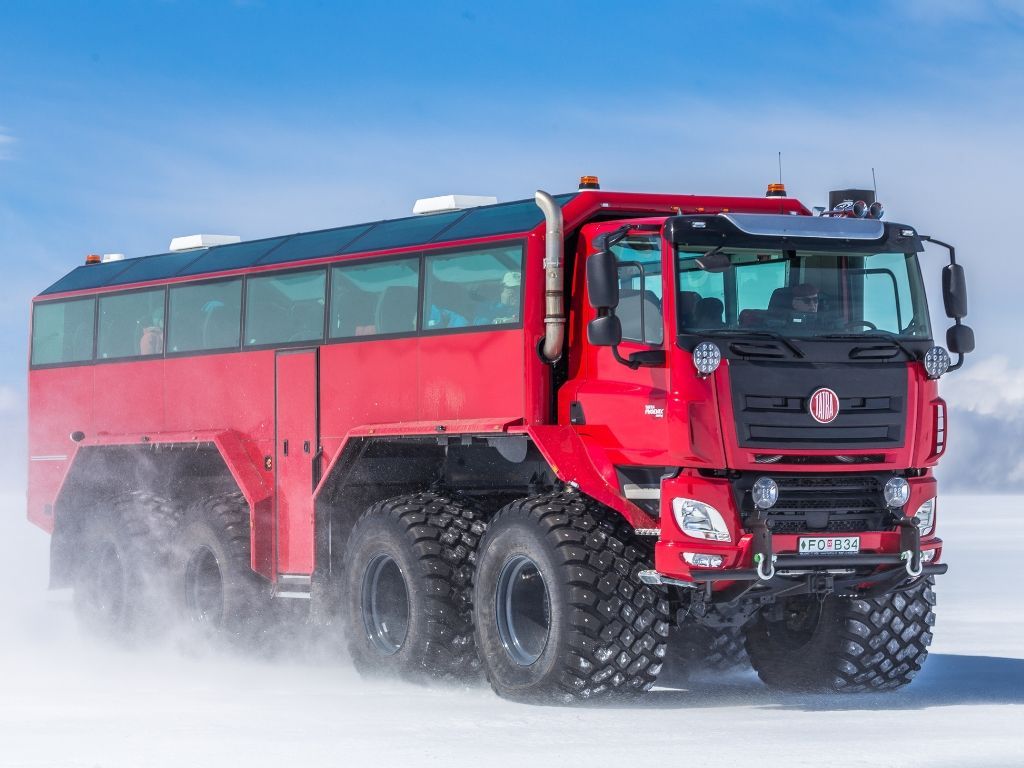
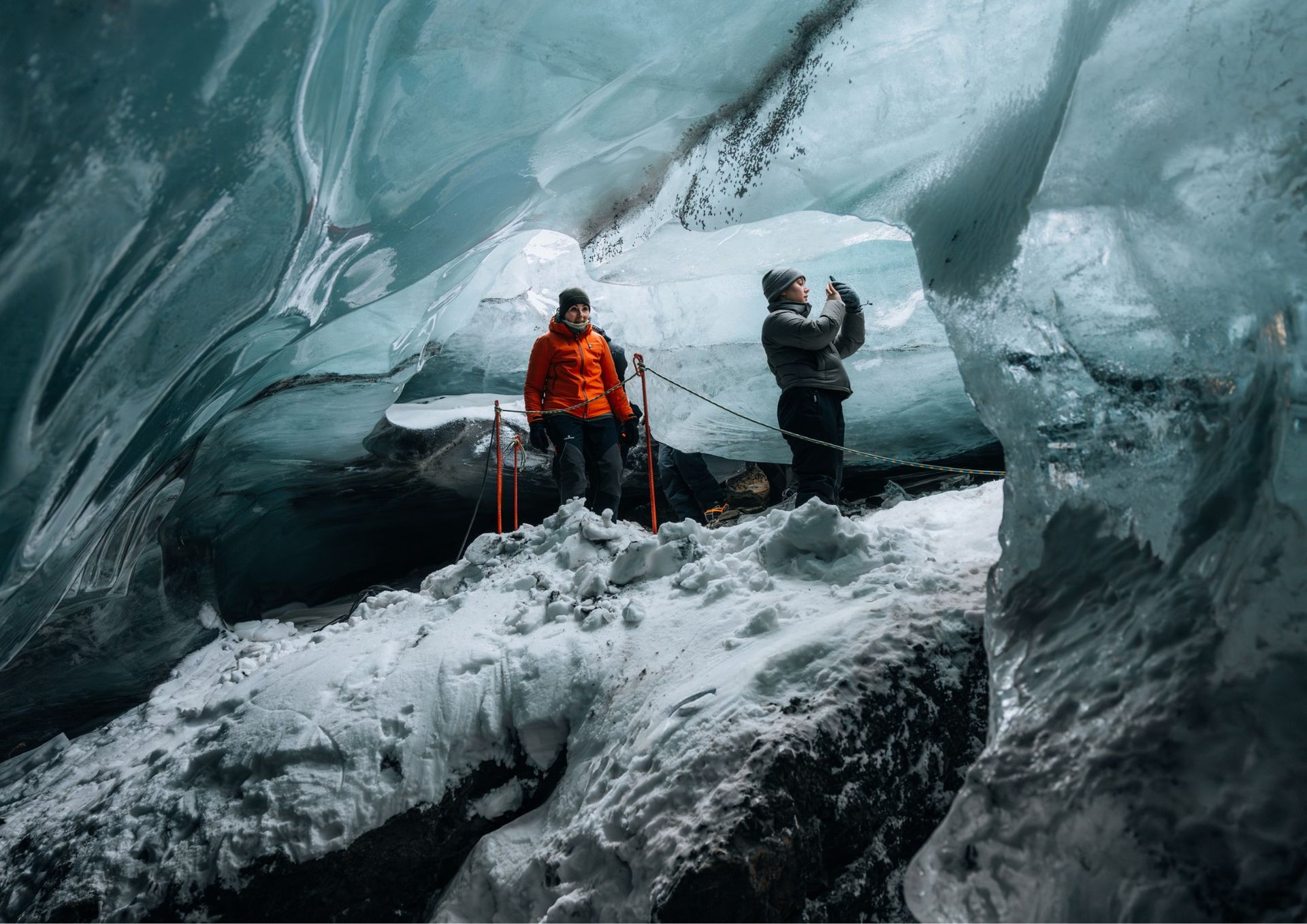
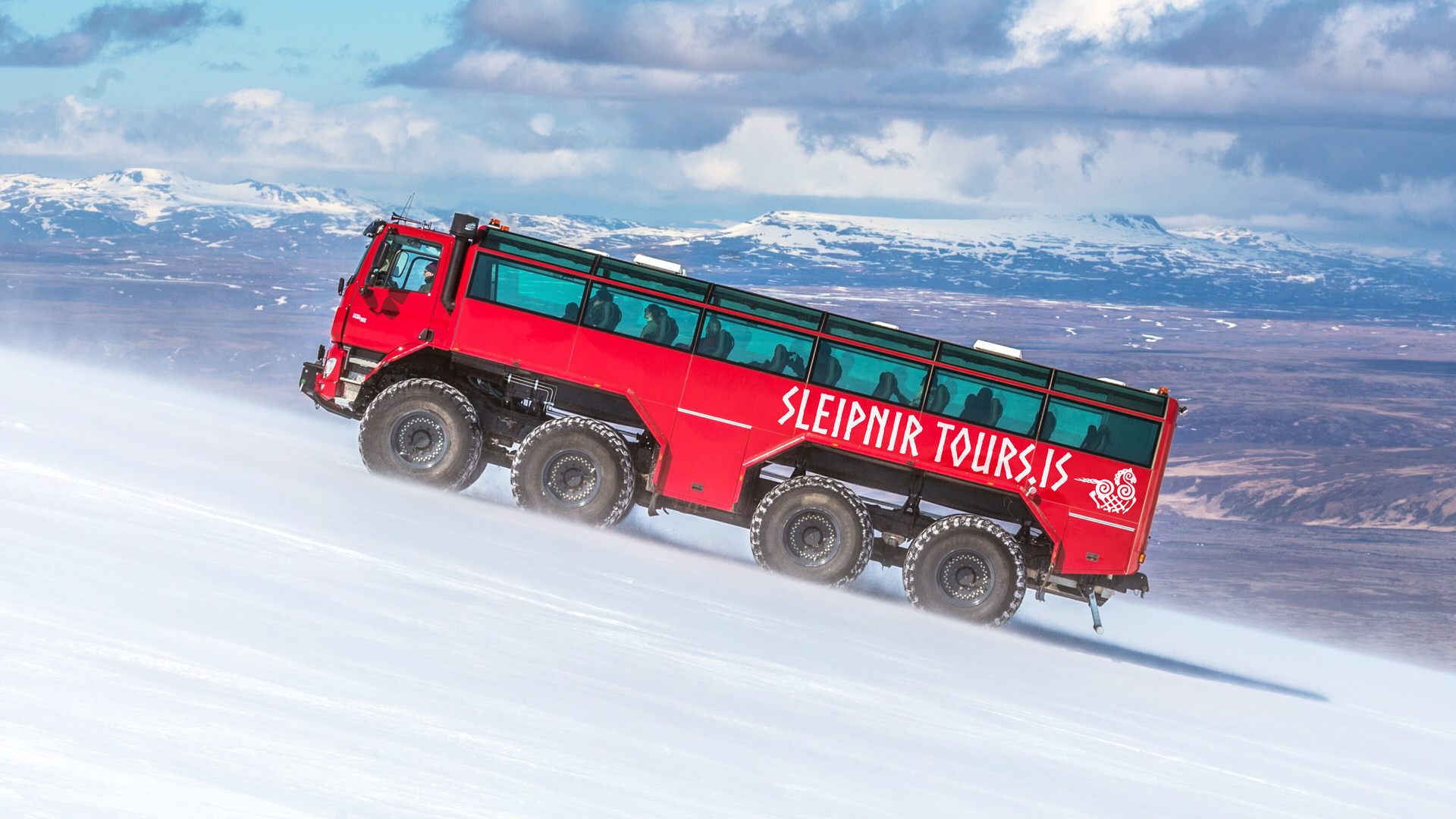
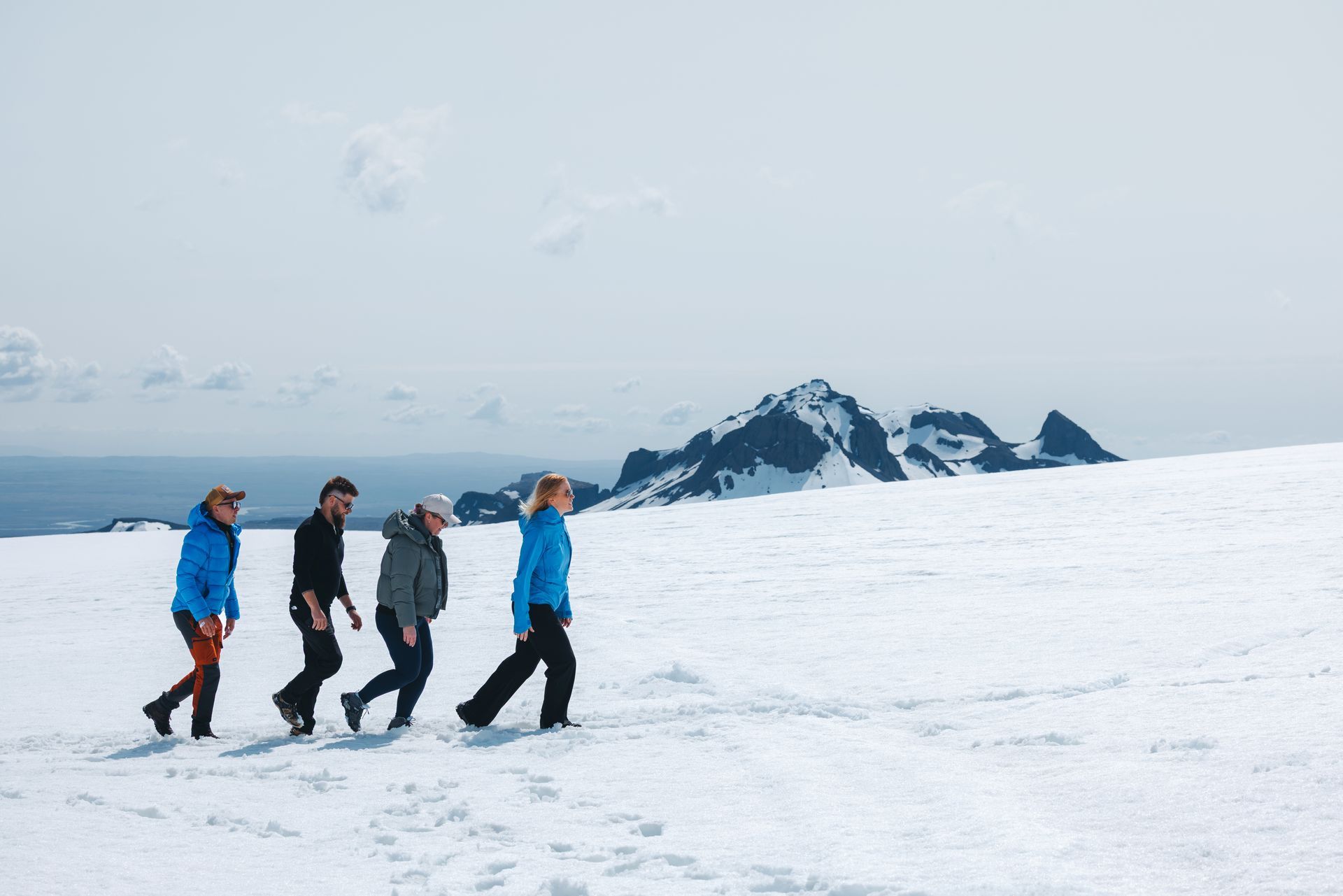
Spring is still an excellent time to explore Iceland’s glaciers. One of the most memorable ways to do this is by visiting Langjökull glacier with Sleipnir Tours. Their custom-built glacier trucks take visitors high onto the glacier itself, offering an unforgettable experience surrounded by endless snowfields and views across Iceland’s highlands. It’s a comfortable and accessible adventure that suits travelers of many ages and fitness levels.

During Easter, when the landscapes are still covered in snow and the days are getting brighter, a glacier tour becomes even more magical.


.
This is paragraph text. Click it or hit the Manage Text button to change the font, color, size, format, and more. To set up site-wide paragraph and title styles, go to Site Theme.

Share This Blog Post

By Ragnheiður Ófeigsdóttir March 27, 2026
How to dress for an Ice Cave & Glacier Tour in Iceland
By Ragnheiður Ófeigsdóttir February 17, 2026
How Are Glaciers Formed?
By Ragnheiður Ófeigsdóttir January 12, 2026
New Year Greetings from Sleipnir Glacier Tours We at Sleipnir Glacier Tours would like to send our warmest New Year greetings to you all. Thank you for being part of our journey over the past year. Whether you joined us on the glacier, followed our adventures from afar, or supported us behind the scenes. 2025 was a year filled with unforgettable moments on Langjökull: roaring engines across endless snowfields, glowing skies above the ice, and shared moments of awe in one of Iceland’s most powerful landscapes. None of this would be possible without our incredible guests, partners, and team. Thank you for making this year truly special. Looking Ahead to 2026: New Adventures Await As we step into the new year, we’re already looking ahead to an exciting 2026 filled with epic glacier experiences. Our legendary monster truck tours on Langjökull will continue to offer access to remote and breathtaking areas of the ice cap, where vast white horizons stretch as far as the eye can see. In 2026, guests can look forward to: SPECIAL EVENT - Summer Solstice Tour to Langjökull Glacier from Gullfoss Ice Cave and Glacier Tour in Glacier Monster Truck from Gullfoss Red Glacier Monster Truck Tour - Unique Langjökull Glacier Tour from Gullfoss Golden Circle + Monster Truck Glacier Adventure from Reykjavik Golden Circle & Ice Cave Tour in Monster Truck from Reykjavik We remain committed to delivering world-class experiences while respecting the fragile environment we operate in. Ensuring that future generations can continue to experience the magic of Iceland’s glaciers.
December 4, 2025
Fun Icelandic Christmas Traditions You Need to Know Christmas in Iceland isn’t just a holiday - it’s a whole season of folklore, food, light, and a little bit of mischief! With long nights, snowy streets, and glowing windows filled with candles and stars, December in Iceland has a magical feeling all of its own. If you’re curious about how Icelanders celebrate jól, here are some of the most charming, quirky, and fun traditions you’ll find. 13 Yule Lads: The Icelandic “Santa Clauses” Forget one Santa. Iceland has thirteen . According to Icelandic folklore, the Yule Lads (jólasveinarnir) are mischievous troll-like brothers who live in the mountains with their terrifying mother, Grýla. Starting 13 days before Christmas, one lad arrives each night, each with his own personality and speciality - Door-Slammer, Sausage-Swiper, Spoon-Licker, and Window-Peeper, to name just a few. Kids place a shoe in their window, and each night a Yule Lad leaves a small gift… or a rotten potato if the child has been naughty. No pressure! It’s one of the most beloved traditions, and modern Yule Lads are much friendlier than their original folklore versions. The Christmas Cat — Better Dress Warm! Another folkloric figure appears at Christmas: the Christmas Cat (Jólakötturinn) . This huge black cat roams the countryside and “eats” anyone who doesn’t get at least one new piece of clothing before Christmas Eve. Sounds dramatic, but today it basically means every Icelander gets new socks, pajamas, or a sweater for Christmas - and no one complains. It’s a playful, cozy tradition, and Icelandic families often wear their new clothes on Christmas Eve with pride.
November 17, 2025
Five Things You Wish You Knew Before Traveling to Iceland
November 14, 2025
Into the Blue: Exploring Iceland’s Breathtaking Ice Caves There are few experiences in Iceland that feel as magical or as otherworldly as stepping inside a shimmering ice cave. Sculpted by nature and ever-changing with the seasons, these frozen wonders draw travelers from all over the world. Deep within Iceland’s glaciers, layers of centuries-old ice reveal themselves in brilliant shades of blue, forming cathedral-like chambers, winding tunnels, and crystal arches that feel alive with light. If you’re planning a winter adventure in Iceland, exploring an ice cave belongs at the very top of your list. Here’s everything you need to know about ice caves and why why Sleipnir Tour s offers one of the safest, most comfortable, and awe-inspiring ways to experience it. Where Do Ice Caves Come From? Iceland’s ice caves are natural formations created each year by meltwater flowing through glacier ice. As temperatures rise in summer, the meltwater carves tunnels and chambers, hollowing out intricate passageways under the surface. When winter returns, the water refreezes, stabilizing the caves just long enough for exploration. Each cave is completely unique. No two seasons produce the same shapes or colors, and no cave lasts forever. This impermanence is part of their magic-you’re seeing a masterpiece that will never exist in exactly the same way again. Most accessible ice caves are found in Iceland’s largest glaciers, including Langjökull , where Sleipnir Tours operates winter ice cave tours. Why Ice Caves Look So Blue One of the first things that takes your breath away is the color. The deeper you go, the more intense the blue becomes. This happens because glacier ice compresses over centuries, pushing out air bubbles and becoming incredibly dense. When light enters the ice, long wavelengths (reds and yellows) are absorbed, while short wavelengths (blues) pass through—giving the cave that electric, almost impossible glow. It’s not just a cave. It’s a natural work of art. Where to Find the Best Ice Cave Tours You can find ice caves in several glaciers across Iceland, but Langjökull Glacier - the second-largest glacier in the country - is one of the most popular locations thanks to its accessibility, stunning scenery, and reliable winter cave formations. For the best and safest experience, travelers join a guided tour. Ice caves are never safe to enter without professional guidance, as their conditions change daily depending on weather, stability, and glacier movement. This is where Sleipnir Tours shines - literally! The Sleipnir Experience: Comfort Meets Adventure Visiting an ice cave with Sleipnir Tours is an adventure that starts long before you step onto the ice. Their signature bright-red glacier trucks - Sleipnir, the world’s largest 8x8 trucks - are specially built to travel deep into the glacier’s snowy landscape. Guests enjoy comfortable seats, large panoramic windows, and an incredibly smooth ride given the rugged terrain. Once on Langjökull, your expert glacier guide will lead you toward the ice cave. You’ll be equipped with the necessary safety gear and given plenty of time to explore, admire, and capture the astonishing formations inside. The guides are not only trained for glacier safety - they’re true storytellers! You’ll learn how glaciers form, how climate affects them, and why the cave you’re standing in is a fleeting moment in Iceland’s natural timeline. 
By April MarsMedia October 15, 2025
How to Physically and Mentally Prepare Yourself for a Winter Trip to Iceland
October 7, 2025
5 Mistakes first-time travellers make in Iceland & how to avoid them!
By April MarsMedia September 26, 2025
Iceland, the land of fire and ice, is more than just sweeping lava fields, glacial rivers, and volcanic peaks. The landscapes are alive with stories and for centuries, Icelanders have explained unusual rock formations, remote valleys, and geothermal springs through folklore. When you travel through the highlands with Sleipnir, you won't only see nature, you will pass through areas where the trolls, elves, and the hidden people (Huldufólk) reside. Trolls in the stones An old folklore tells tales of the trolls, creatures of immense size and strength who roam the mountains after dark. The myth says that the trolls cannot survive in sunlight and if they are caught in it by dawn, they turn to stone. Many of the odd-shaped cliffs and boulders you see scattered across the highlands are said to be unlucky trolls frozen in time. The Hidden People The hidden people, called Huldufólk in Icelandic, are a huge part of Icelandic folklore. They are very mysterious, elf-like beings who live inside the lava rocks and rolling hills. They guard their homes fiercely and therefore the locals sometimes hesitate before moving boulders or disturbing certain landscapes, fearing the displeasure of their unseen neighbors. Travelers often hear stories of farmers who have had a series of misfortunes after ignoring these warnings. So when you are up in the highlands, where moss-covered stones stretch to the horizon, you can try and imagine where the Huldufólk could possibly be hiding out. Read also: Fun facts about Iceland! Hot springs & talking cows Many geothermal springs and curious rock formations in the Highlands are wrapped in folklore about elves and spirits. Locals say some hot springs are blessed with supernatural power, if you bathe with respect you may gain good health and fortune. But mistreat the waters, and you risk a curse that could follow you for life. The elves and Huldufólk carry great respect for the hot springs, as should you. One of the most enchanting traditions tells of Midsummer’s Eve, the summer solstice. On this night, the veil between worlds is said to grow thin. Elves step out from their rocky homes to dance by rivers and across open fields, cows are said to speak with human voices, and anyone bold enough to roll in the morning dew might gain luck that lasts forever. Wekk worth a try, isn't it? The myths of the mountains What makes Icelandic folklore so captivating is the way it ties the stories to the land itself. A mountain isn’t just a mountain if it’s said to hide a frozen troll, and a lava field isn’t just hardened rock with moss if it might be the home to the hidden people. As Sleipnir’s glacier trucks roll through the highlands of Iceland, every part of the drive can reveal landscapes steeped in local myth and folklore. Hearing these tales along the journey adds an extra layer of wonder as well, turning raw nature into living stories where imagination and reality meet. Read also: What does Sleipnir mean? Next time you journey into the Highlands, keep an eye on the stones and shadows around you, you never know who is lurking around…
September 10, 2025
Autumn in Iceland - What to Do and What to Expect

You Might Also Want to Check Sleipnir's Glacier Tours